Home>Blogs>What Role Does a UV Sterilizer Play in a Fish Tank?
What Role Does a UV Sterilizer Play in a Fish Tank?
04/01/2021
Share:
Setting up a fish tank can be exciting given how much vibrance it brings to a space. However, for it to thrive, you need to get the basics right, and therein lies the challenge for most people. Without sufficient guidance, how do you choose what to add or leave out of your set up?
One of the tools you should certainly include in your set up is an aquarium UV sterilizer. It plays unique roles that other aquarium media cannot fulfill on their own. Still not convinced? Well, here is everything you need to know about what a UV sterilizer would do for your fish tank.
Table of Contents
Clarification of Aquarium Water
Source: Amazon
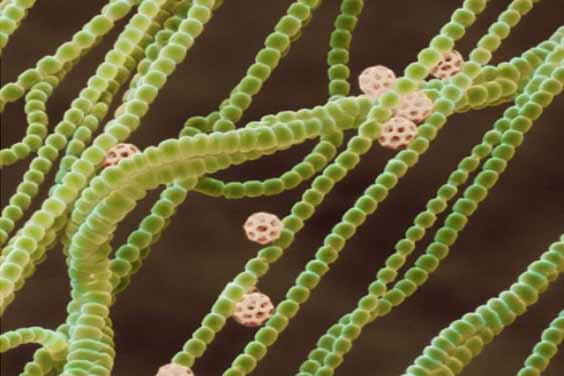
The beauty and joy of having an aquarium is being able to watch all the action inside. Whether you have calm gracious fish or feisty fireballs that chase each other all day, there is just something therapeutic about it. However, when algae begin to bloom, the water turns green, and you may hardly be able to see the fish. In severe cases, the aquarium water may also begin to smell rather horrid.
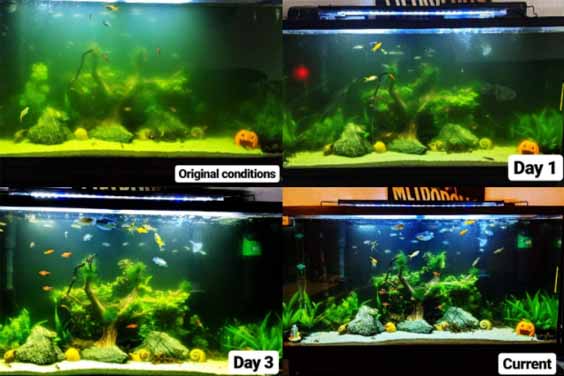
When planktonic algae are exposed to UV radiation, their exterior cellular membranes get destroyed. They thus become deformed and clump together in a film-like layer. This makes it easy for your aquarium filtration system to filter them out of the water. When the cellular wall is intact, they are too bulky to be filtered out and this is why a UV clarifier works well for algal bloom control.
Improved Water Flow and Tank Efficiency
Source: Amazon
When the water in your fish tank is riddled with algae or parasites, it can become denser and more viscous. This may compromise water flow so much so that you would have to adjust your aquarium pump. Your filtration media may also become overwhelmed by all the debris and as if that was not enough, you may need to run maintenance more often.
In such a state, your fish tank becomes time-consuming and expensive to run. You may have to replace various parts often and fish could also start dying on you. Simply put, it would be running at an inefficiency. Lucky for you, a UV sterilizer can fix that. As it clarifies the water and eliminates parasites, a healthy flow is restored and other systems can run optimally.
Prevention and Mitigation of Fish Disease Outbreaks
Source: Pinterest
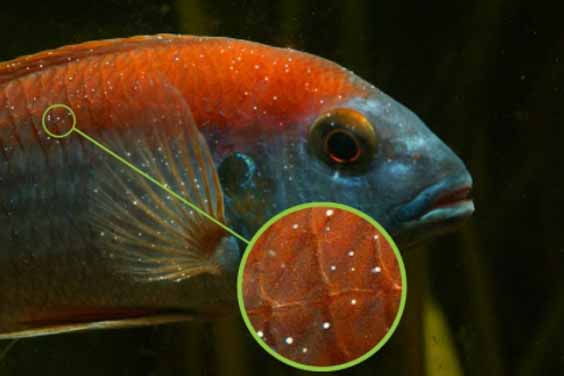
Protozoan parasites are not unheard of in aquariums. Fish Ich, for example, is one of the common parasitic diseases that most aquariums owners battle with. It causes white lesions on the skin of fish and can be fatal when it invades their gills. This parasite also presents a unique challenge because, for a chemical treatment to work, it would have to be administered in very high concentrations which could harm other fish.
Protozoans are single-cell organisms whose cell membranes can be penetrated by UV irradiation which scrambles their DNA. This renders them incapable of reproducing and attacking more fish. The spread of the parasitic disease thus stops and after a sustained period of UV irradiation, free-floating parasites in the water also start to die off.
It is, nevertheless, important to note that a UV sterilizer will only help you control a parasitic outbreak. It will not cure the fish that are infected. If they happen to survive, it is because they have gained immunity and are no longer under parasitic attack.
Bacteria Control
Source: Pinterest
Harmful bacteria in aquariums compromise the health of fish and can shorten their lifespan if they are not addressed. Mycobacterium marinum and Aeromonas are some of the common strains you may encounter. Unfortunately, you too are at risk of such bacteria as you would come into contact with them as you clean your aquarium. Some like Salmonella can result in stomach aches, emesis, and a host of other symptoms.
On the other hand, there are healthy strains of bacteria that are essential for processing waste in the aquarium. By doing this they also help maintain healthy nitrate levels in the water for fish to thrive.
Both good and bad bacteria can be damaged by exposure to UV radiation. However, good bacteria attach to the gravel at the bottom of the fish tank while harmful stairs remain free-floating in the water. To save the essential bacteria, run the aquarium for a while before turning on the UV sterilizer. This provides a window for the good bacteria to settle at the bottom and as the water runs through the sterilizer, only the harmful free-floating microbes will get zapped.
Important Tips to Keep in Mind About UV Sterilization
Source: Pixabay
A UV sterilizer is a great aquarium care tool but for it to serve you well, there are some factors that you may want to keep in mind.
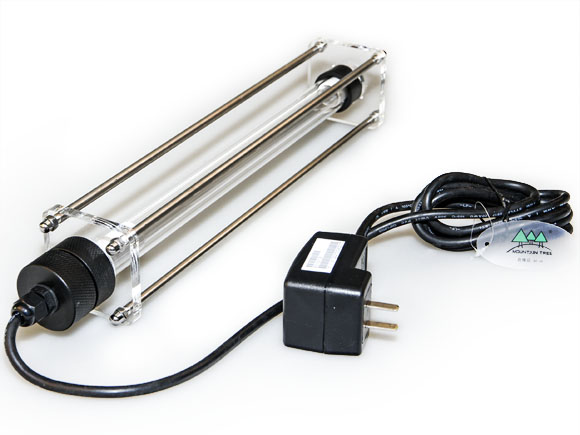
Choose the right watt size – the higher the wattage of the UV lamp, the more intense the irradiation it puts out. High wattage is recommended for large fish tanks while low wattage is ideal for small ones. You could also aim for slightly high wattage if you need to eliminate more than just algae.
UV sterilizers vs clarifiers – in most cases, clarifiers will only rid your tank of algae. If you need to address more complex issues, look out for a UV sterilizer. They both use UV radiation technology but factors such as wattage and flow rate differentiate them.
Dwell time- the duration for which water is exposed to UV light is called the dwell time. Longer dwell times expose microorganisms to more irradiation which helps eliminate them.
UV sterilization results – it takes a while before all the water has been cycled through the UV sterilizer for all the microbes to be eradicated. As such, depending on the size of your fish tanks, the strength of the UV sterilizer, and issues like dwell time, results may not be visible overnight. Sometimes the improvement is gradual but it should not take more than 3 to 5 days at most.
Temperature matters – low temperatures may lower the efficacy of a UV sterilizer. If your fish tank is cold or you live in a cold climate region, consider getting a sterilizer with a quartz sleeve.
Mind the installation – some UV sterilizers are submersible while others should be installed inline between the water inlet and outlet of your aquarium. Consider the nature of your setup and your preferences as you compare UV sterilizer brands.
Brands differ – each brand researches and develops different styles of UV sterilizers. You will also notice that the quality and durability of their products differ. Aim for a UV sterilizer manufacturer that offers high-grade products at reasonable prices. You would be better off investing more in a quality UV sterilizer that will be effective and last you for the long haul
Conclusion
Fish tank UV sterilizers offer so much more value than they are credited for. If you are not too experienced with fish tanks, a UV sterilizer will catch most of your rookie mistakes. It may not feed your fish, but it will keep their surroundings conducive enough to survive your shortfalls. Now that you know what they have to offer and what to look out for, when will you be ordering your aquarium UV sterilizer?



Leave a Reply